
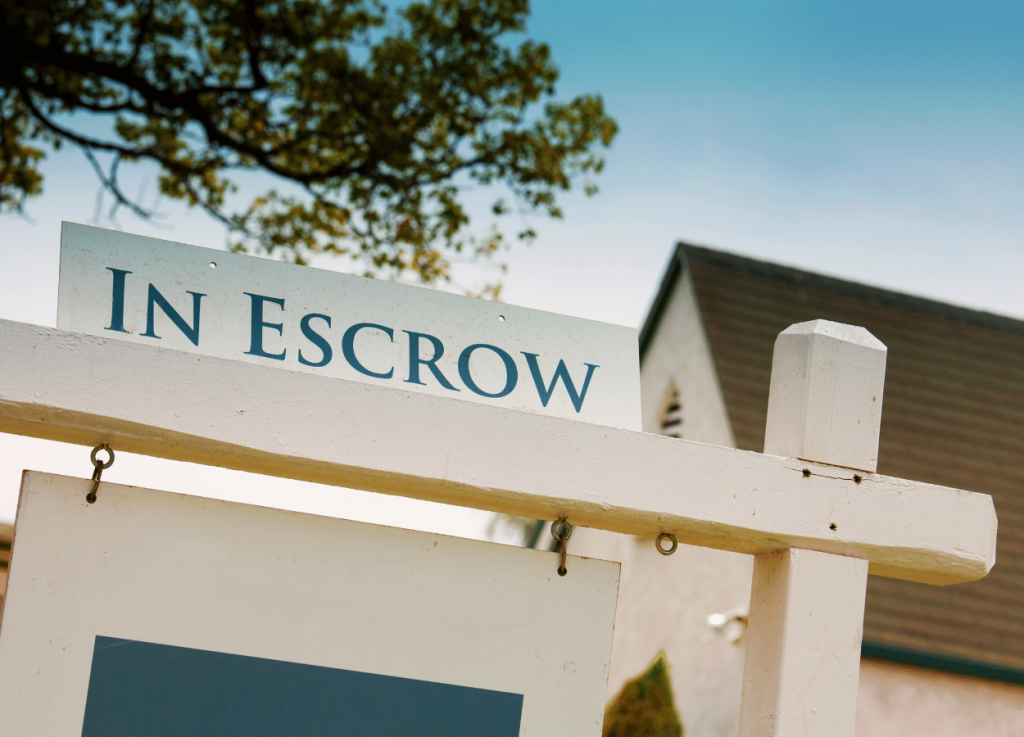
When you accept an offer on your home, the deal isn’t finished, it’s just entering a new stage. That stage is called escrow. A licensed, neutral third party, usually a title or escrow company, and in some states an attorney, steps in to hold the buyer’s earnest money deposit and manage the paperwork trail until both sides have met their obligations under the contract. Escrow exists specifically to protect both parties: neither the buyer’s money nor the seller’s deed changes hands until the agreed upon conditions are met, according to the Consumer Financial Protection Bureau
Quick Answer
What Does "In Escrow" Mean During a Home Sale?
Being “in escrow” means a neutral third party, typically a title company or escrow agent, is holding the buyer’s funds and the transaction paperwork until every condition of the purchase agreement is satisfied. For a seller, escrow is the period between an accepted offer and closing day, when the sale is legally pending but not yet final.
Who Holds the Money in Escrow, and Why It Isn't You
Escrow money is not sitting in your bank account, and it isn’t sitting in the buyer’s account either. It sits with the escrow holder, who is legally required to disburse it only according to the instructions in the purchase contract. This protects you as the seller too. If the buyer tries to back out for a reason not covered by the contract, the earnest money can be released to you rather than automatically refunded.
The National Association of REALTORS notes that earnest money deposits typically range from 1% to 10% of the purchase price and are held in escrow specifically to demonstrate the buyer’s good faith.
What You'll Actually Be Doing While You're "In Escrow"
For a seller, escrow usually involves:
- Responding to the buyer’s inspection requests or negotiating repairs and credits
- Providing any state required seller disclosures
- Keeping the property insured and maintained until closing
- Staying reachable for the title company’s requests, payoff information, HOA documents, and signatures
- Working directly with the buyer if any contract terms need to be renegotiated
If you’re selling FSBO through a flat fee real estate broker, buyer inquiries and requests come to you directly, so it helps to know what’s coming.
How Long Does the Escrow Process Take?
Most residential escrow periods run 30 to 45 days, though cash sales can close in as little as one to two weeks and financed deals with appraisal or underwriting delays can stretch past 45 days. Your purchase contract will spell out the exact closing date, along with deadlines for inspection, financing, and appraisal contingencies.
One thing that trips people up: a mortgage escrow, or impound, account, the ongoing account a lender sets up to collect property taxes and insurance, is a completely different concept from being “in escrow” on a home sale. The CFPB and industry education resources like Home Closing 101 (an initiative of the American Land Title Association) both draw this distinction clearly, and it’s worth understanding so you aren’t confused when a buyer’s lender talks about “setting up escrow” for reasons that have nothing to do with your closing timeline.
What Can Delay or End an Escrow Period?
Escrow can be delayed by a low appraisal, a title issue that needs to be cleared, financing delays on the buyer’s side, or unresolved inspection negotiations. It can end early, and not in your favor, if a contingency isn’t met and the buyer has a contractual right to cancel. This is exactly why understanding your contract’s contingency deadlines matters as much as the sale price itself.
Selling With Confidence Through Escrow
Escrow can feel like a black box if you’ve never sold a home before, especially if you’re selling FSBO without a traditional listing agent guiding you day to day. List With Freedom sellers get MLS exposure through our flat fee listing packages alongside step by step guidance on our How It Works page, so you always know what stage your sale is in and what’s expected of you next. We list in most U.S. states, and every package includes required listing forms and disclosures to help your escrow period go smoothly. As with any flat fee MLS service, keep in mind there is a small compliance fee, 0.25% to 0.5% depending on your package, due at closing to cover state and MLS compliance, on top of your upfront listing fee.